Saint‑Germain‑des‑Prés is the mythical café quarter of Paris. Here, the ghosts of Sartre, Hemingway and Juliette Gréco still nurse an espresso at the zinc bar. But the neighbourhood is not a museum. Between the legendary institutions, a new generation of lifestyle and barista‑driven spots has appeared. Here is where to sit, what to order, and where the coffee is actually good.
In Saint‑Germain, a café is never just a café. It is a conversation, a philosophy, a way of being in the world.
Café de Flore
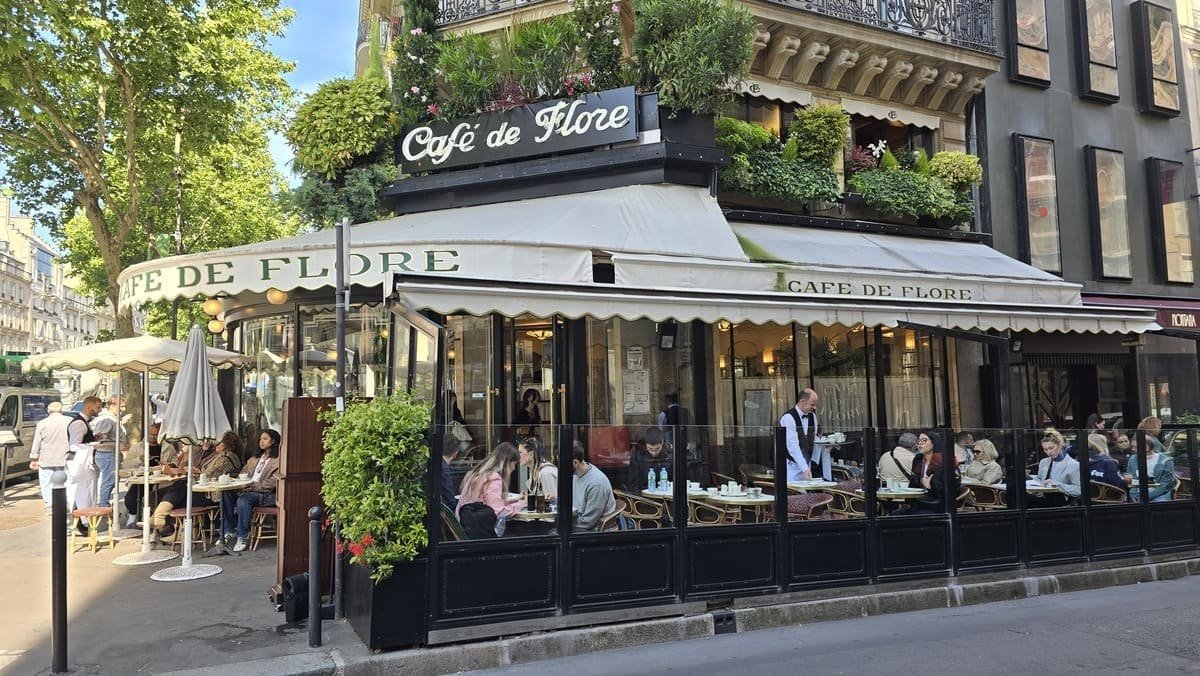
Café de Flore is the definitive Saint‑Germain café. Opened in 1887, it became the headquarters of the Lost Generation after the First World War, and later the existentialist crowd, Sartre and de Beauvoir practically wrote here. The red leather banquettes, the mirrored walls, the waiters in black and white: the atmosphere is unique and undimmed by time.
Let us be honest: the coffee is not transcendental, and the food is decent but unremarkable. However, their chocolat chaud is genuinely good, thick, velvety, served in a silver pot. It is what you should order if you want to experience Flore at its best. Come for the atmosphere, the history, and the people‑watching. Stay for the hot chocolate.
Les Deux Magots
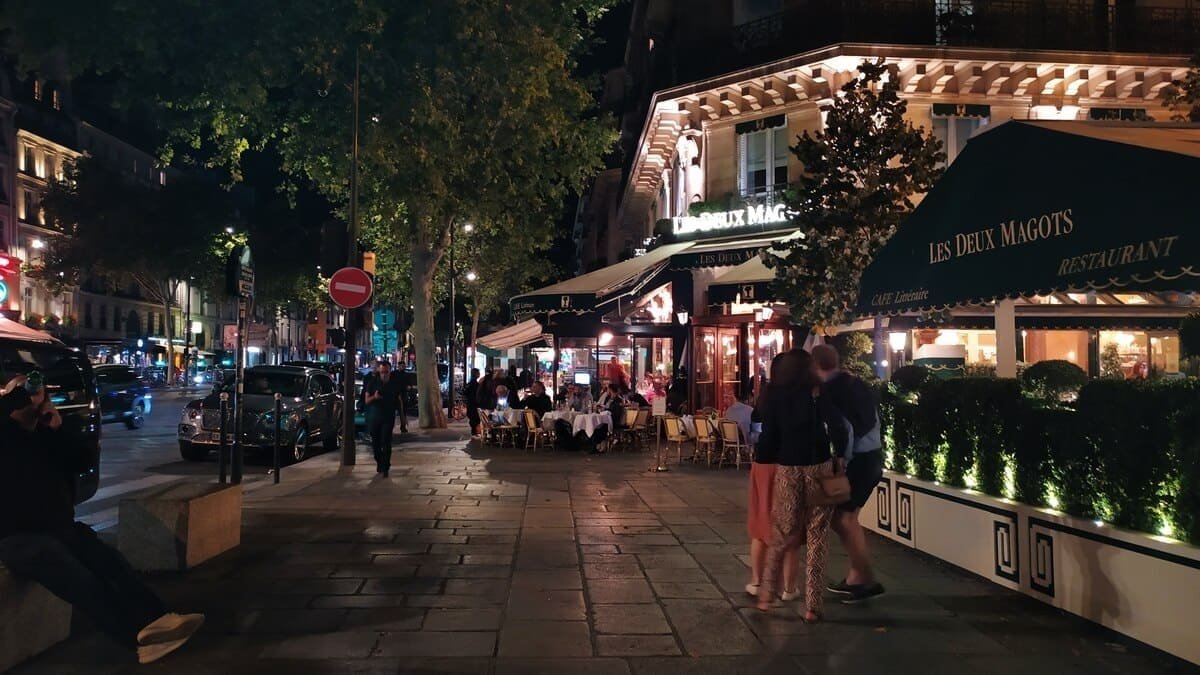
Equally famous as its rival across the square, Les Deux Magots was the other pole of the existentialist universe. Hemingway, Picasso, and the surrealists all passed through. Today, it is a curious mix of tourists chasing literary ghosts and genuine neighbourhood regulars who still claim a table in the morning.
The coffee is, admittedly, average and rather expensive. But unlike Flore, the service here is often attentive and professional, old‑school in the best sense. The food, though not remotely creative, is solid and well‑executed. A croque‑madame or an omelette will arrive properly made. On weekdays, you may spot French intellectuals, publishers from the nearby Gallimard offices, or even a celebrity or two tucked behind a newspaper.
Café de Buci
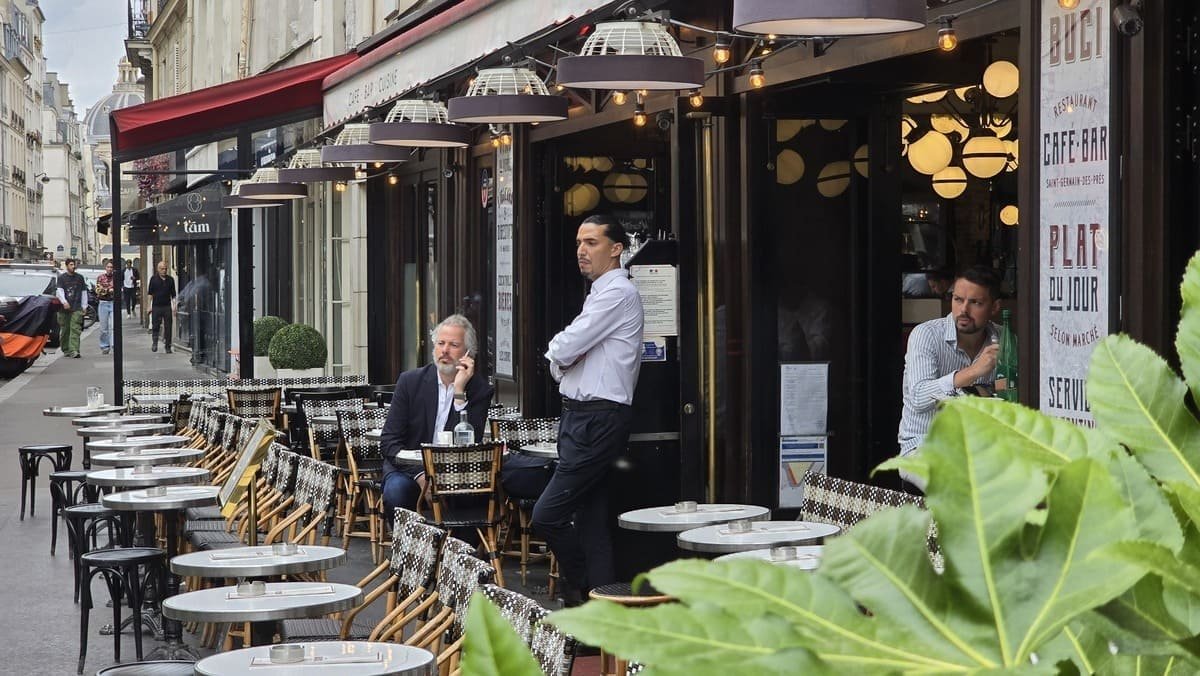
Less globally famous but deeply rooted in the neighbourhood, Café de Buci occupies a building classified as a Monument Historique. The interior is a jewel of Belle Époque décor, moulded ceilings, brass, and an atmosphere that feels genuinely old Paris. It opened in the late 19th century and has changed remarkably little since.
This is where local politicians, gallery owners, and elderly residents of the 6th arrondissement hold court. The coffee is traditional Parisian, nothing specialty, but the setting is extraordinary. A kir or a glass of wine here at the end of the afternoon is one of the more transporting experiences in the neighbourhood.
Café d'Auteur
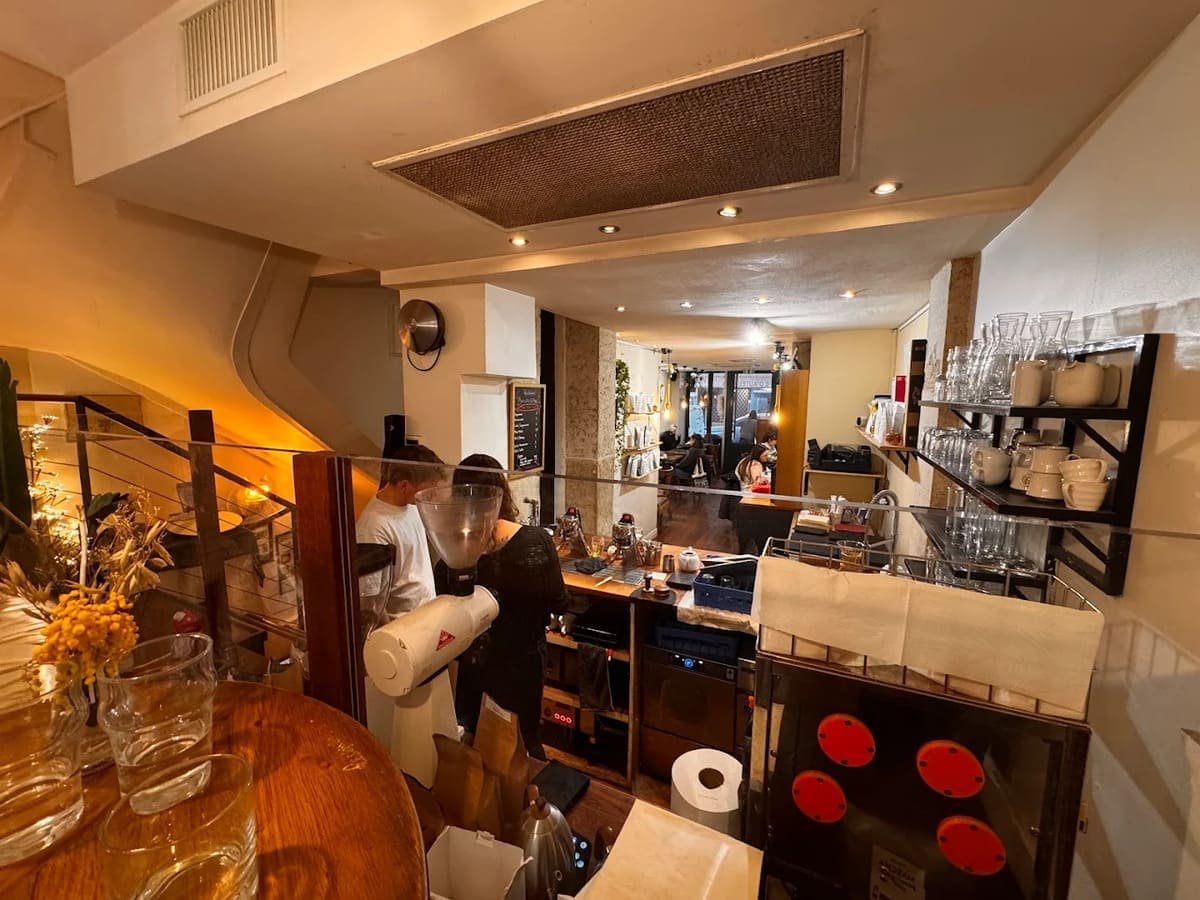
Café d'Auteur feels like a living room for the literary‑minded. With shelves of books, soft lighting, and a gentle soundtrack, it is the place where Saint‑Germain residents come to write, read, or have a quiet conversation. The coffee is sourced from small European roasters and carefully prepared, and the pastries are baked on site.
It bridges the gap between the old‑school cafés and the specialty coffee movement. Laptops are welcome during the day, and the mood is studious without being cold. The flat white is excellent, and the carrot cake has a cult following.
Yoga Matcha
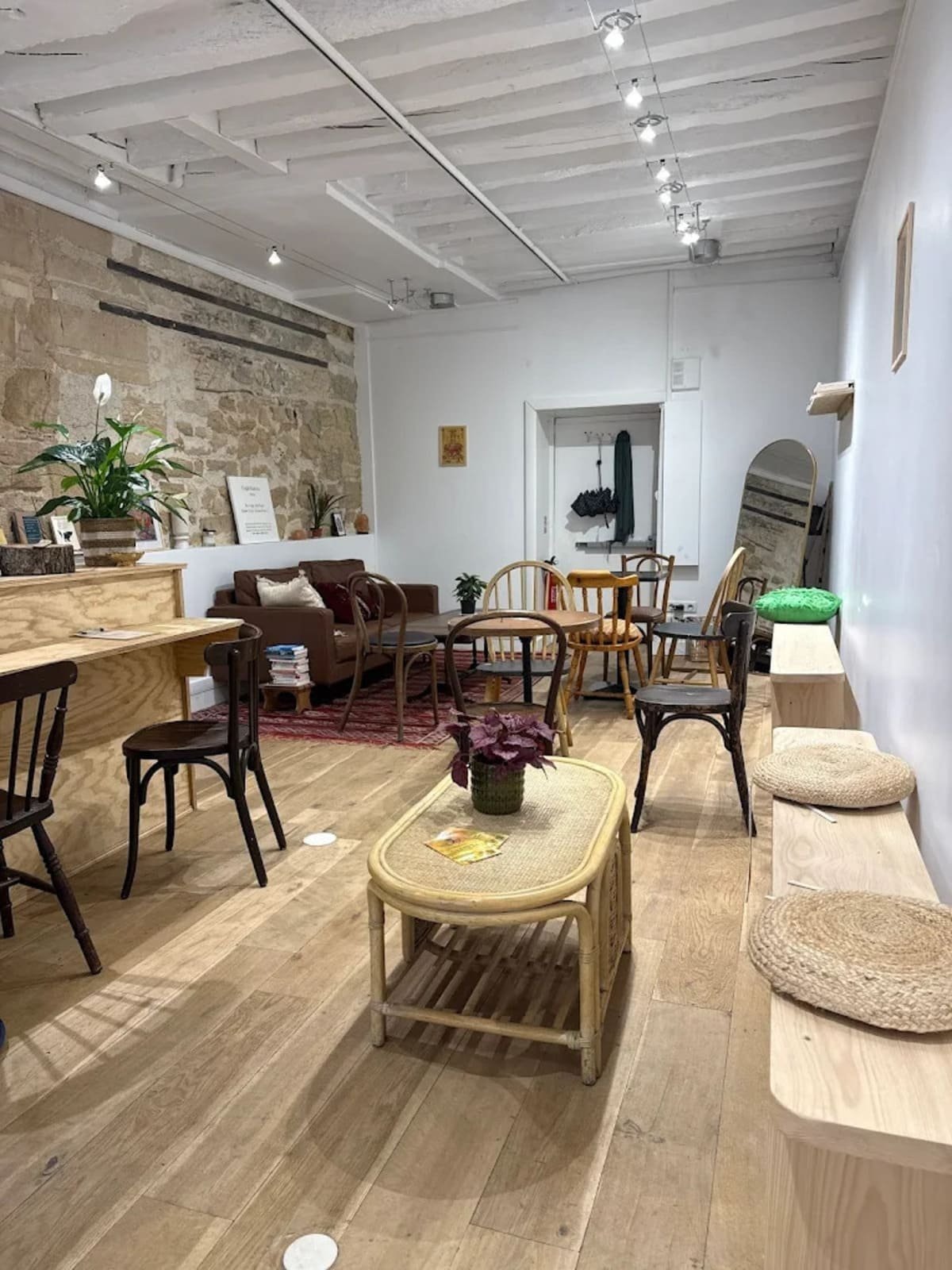
Despite the name, Yoga Matcha is not exclusively about tea. Yes, they specialise in ceremonial‑grade matcha from Uji, prepared with precision and served in beautiful ceramics. But their coffee is genuinely very good, sourced from a small Parisian roaster and prepared with the same care as the matcha.
The space is bathed in natural light, with white walls, plants, and a calm that lives up to the name. The matcha latte is the star, but a simple espresso will not disappoint. It is a favourite of the neighbourhood's health‑conscious and aesthetically inclined residents.
Le Comptoir des Deux Magots
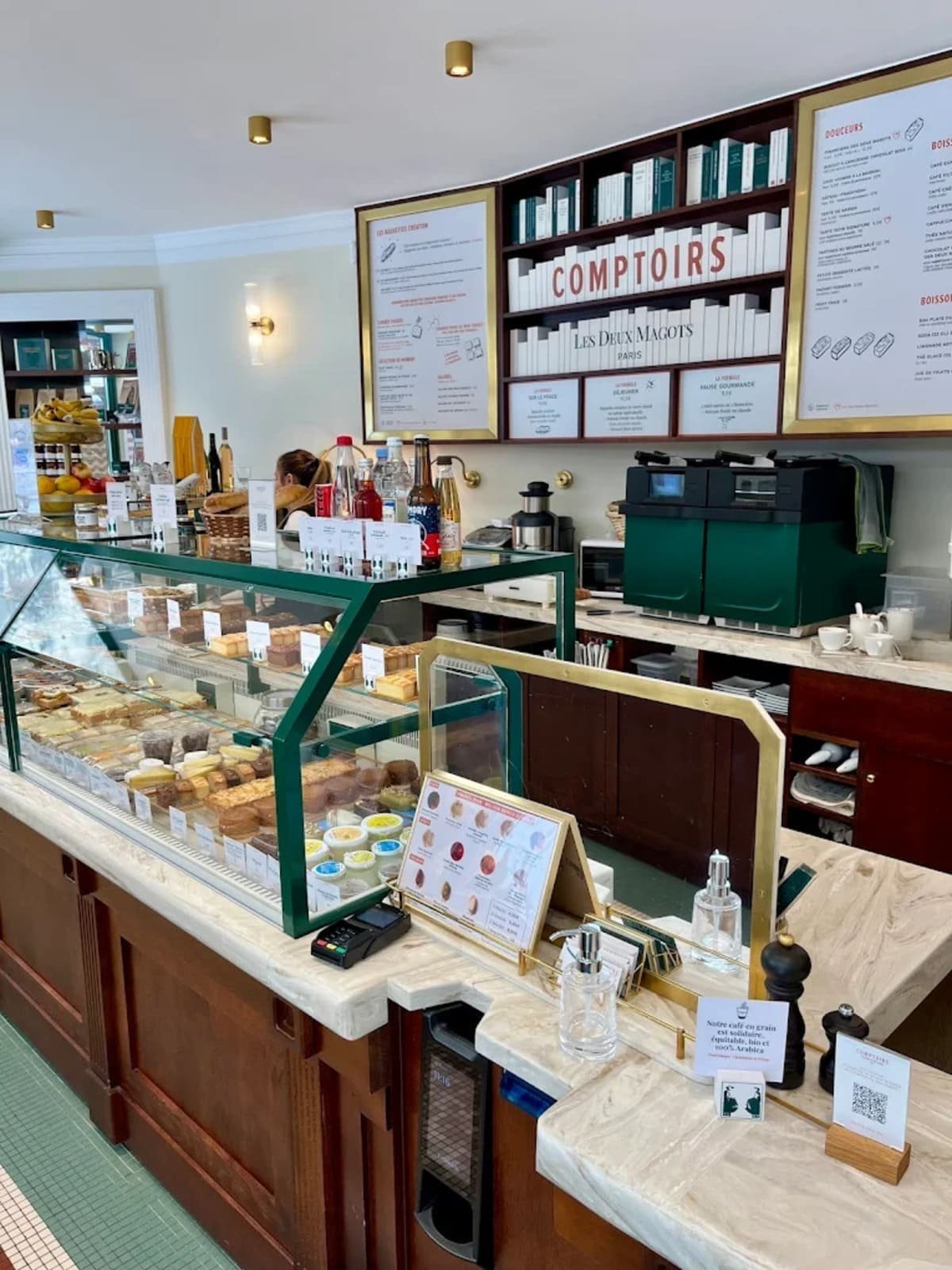
Just a few steps from its famous grandfather, Le Comptoir des Deux Magots is the modern, takeaway‑oriented sibling. The coffee here is a noticeable step up, they use a local specialty roaster and actually care about extraction. The espresso is balanced, and the flat white is properly textured.
What makes it essential are the financiers, buttery, almond‑rich, and impossibly moist, and the fact that they serve the same legendary chocolat chaud as the main Deux Magots, so you get the heritage without the full ceremony. It is the perfect compromise: great coffee, a touch of history, and a queue that moves fast.
Malongo
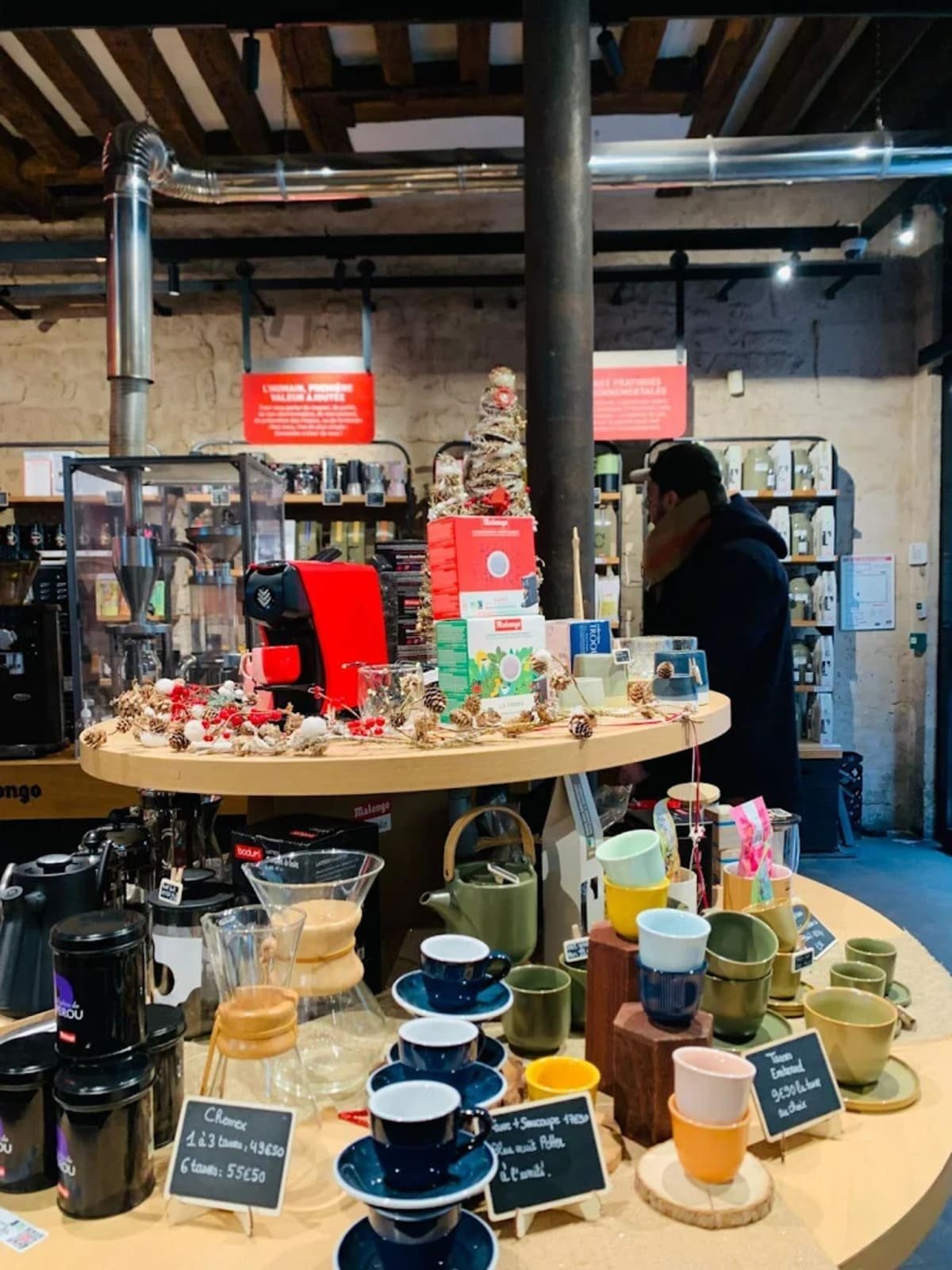
Malongo is a French roaster with a strong commitment to fair trade and organic sourcing. The Saint‑André des Arts boutique is a compact coffee bar where you can watch the beans being roasted and taste single‑origin espressos side by side. The staff are knowledgeable and happy to talk about the provenance of what they serve.
The espresso is classic French in style, darker, rich, with a thick crema, but executed with precision. If you prefer a lighter roast, ask what they have on filter. Their beans are also available to purchase, making it a useful stop for self‑catering visitors.
Terres de Café
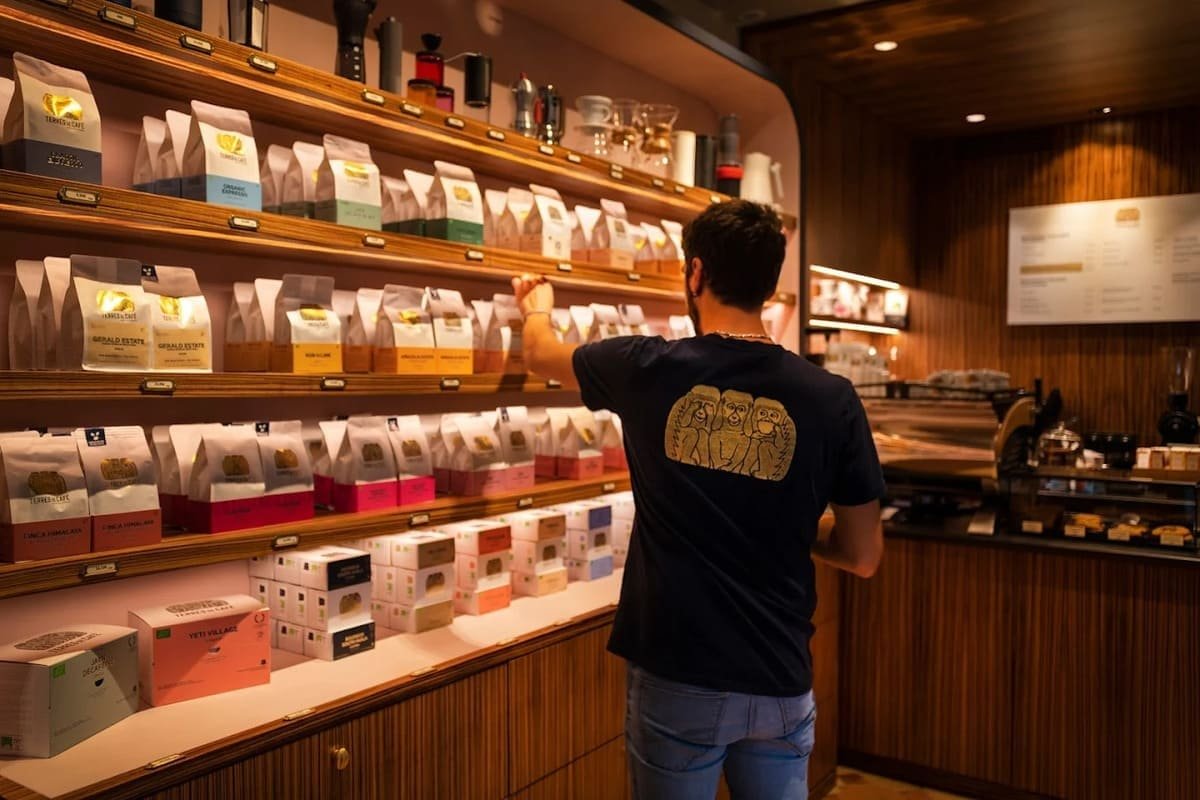
Terres de Café is the most purely specialist address on this list. It is a boutique and tasting bar dedicated exclusively to high‑end coffee. The selection changes seasonally and often includes rare micro‑lots and competition‑winning beans. The barista will prepare your coffee by any method you choose, V60, AeroPress, Chemex, and walk you through the flavour profile if you show interest.
There is no food, no Wi‑Fi, no extended menu. Just coffee, treated with the reverence usually reserved for wine. The room is tiny and serene, on a quiet street a short walk from the bustle of the boulevard.
The Coffee
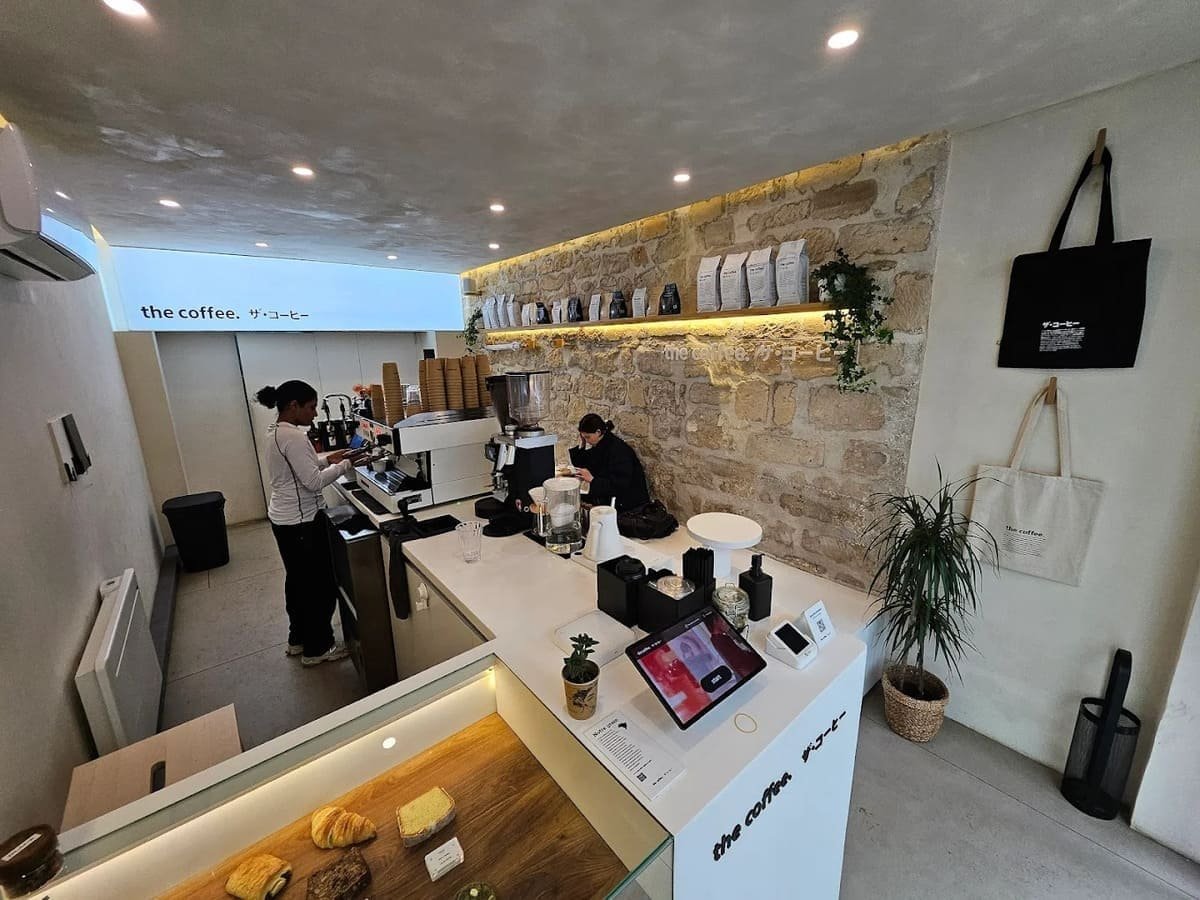
The Coffee is a Japanese‑inspired concept that landed in Saint‑Germain as part of its quiet global expansion. The aesthetic is minimalist and warm, with a strong focus on ritual. The espresso is pulled with obsessive consistency, and the filter coffee is a revelation, clean, aromatic, served in a ceramic that fits perfectly in the hand.
What sets it apart is the service: polite, unhurried, almost meditative. It is the antithesis of a cramped, noisy Starbucks. The rue Mazarine location is small but rarely chaotic, and there are a few seats to enjoy your cup in peace.
The Saint‑Germain café scene is a living collage of eras. One morning you sip a V60 in a serene Japanese‑inflected space, the next you sit under Belle Époque mouldings with a café crème and a copy of Le Monde. That is the beauty of this neighbourhood. It never stands still, but it never forgets.